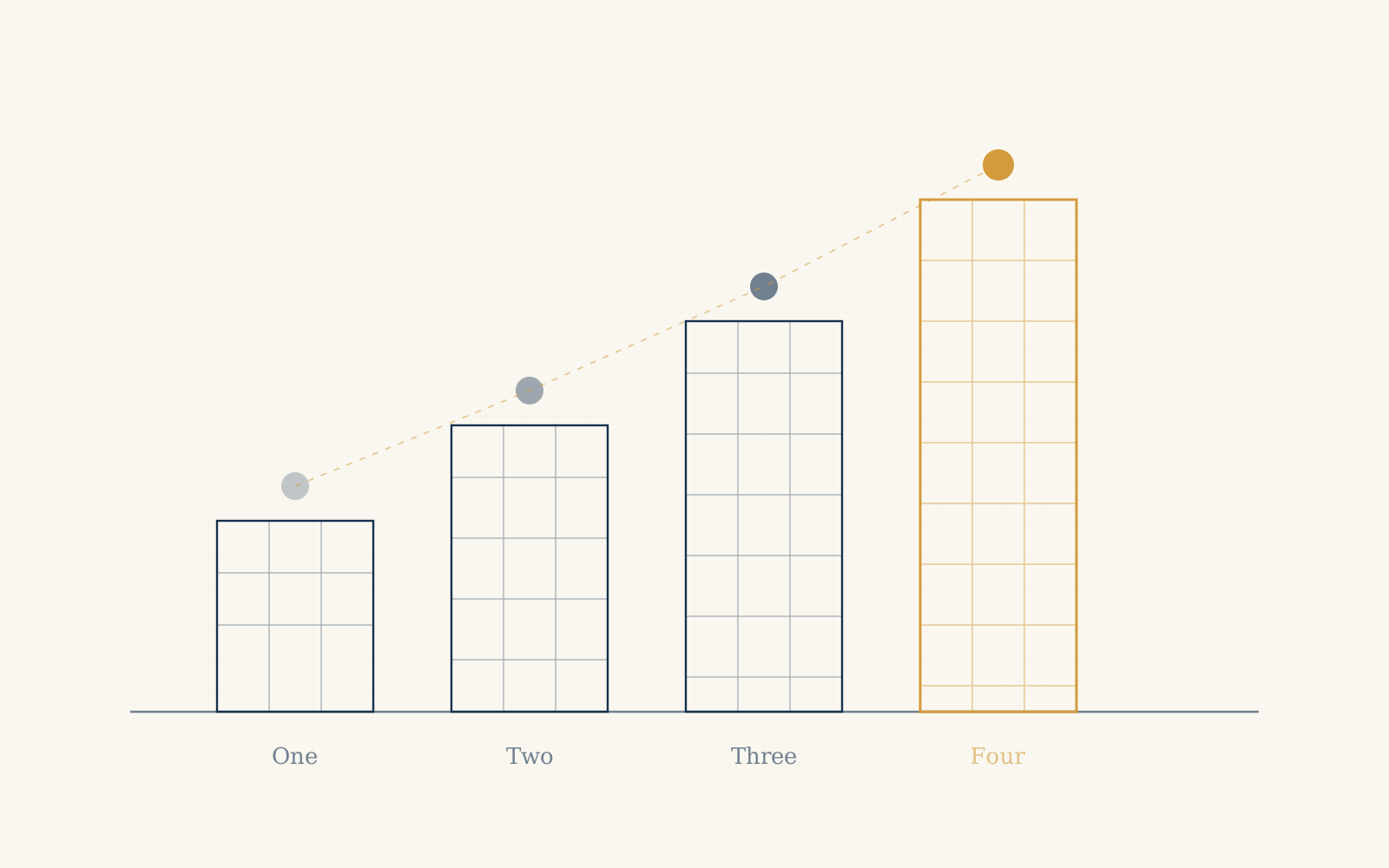
Not every business is at the same point in its life, and where yours sits changes everything about a sale — what it's worth, how easy it is to sell, and what you'd want to fix first. Most owner-managed businesses fall into one of four stages. Knowing which one you're in is the starting point for any serious thinking about an exit.
Stage one — the owner is the business
Everything runs through you. You're the top salesperson, the key relationship, the final decision on everything that matters. The business is profitable because you make it profitable. This is the most common stage — and the hardest to sell from, because a buyer is effectively being asked to buy your personal capacity, which doesn't transfer. The value is real, but it's locked in you.
Stage two — a team, but still owner-led
You've hired good people and delegated the day-to-day, but you're still the strategic engine and the ultimate backstop. The business could survive a short absence, but not a permanent one. This stage sells better than stage one — there's a team to inherit — but a buyer will still price in the risk of your departure.
Stage three — a business that runs itself
There's a management team that handles operations, sales, and most decisions without you. You've moved from operator to owner. This is where a business becomes genuinely attractive to buyers: the profit doesn't depend on any one person, and a new owner can step in without the engine stalling.
Stage four — a platform for growth
The business not only runs without you — it has the systems, team and market position to grow further under new ownership. Buyers pay the strongest prices here, because they're buying proven performance and a foundation to build on.
You don't need to reach stage four to sell well. But knowing your stage tells you what a buyer sees — and what, if anything, is worth changing first.
Why this matters before you sell
Most owners are at stage one or two and assume they need to be at stage three or four to sell. That's not true — businesses sell successfully at every stage. But the stage determines two things: the likely valuation, and the deal structure that makes sense. A stage-one business might sell with an earn-out or a transition period that lets the owner hand over relationships gradually. A stage-three business can often support a cleaner, faster exit.
When we talk, one of the first things I'll help you see is honestly which stage your business is at — and what that means for your options. Sometimes a small amount of preparation moves you up a stage and materially changes the outcome. Sometimes the right move is simply to sell well from where you are.